Events
-
-
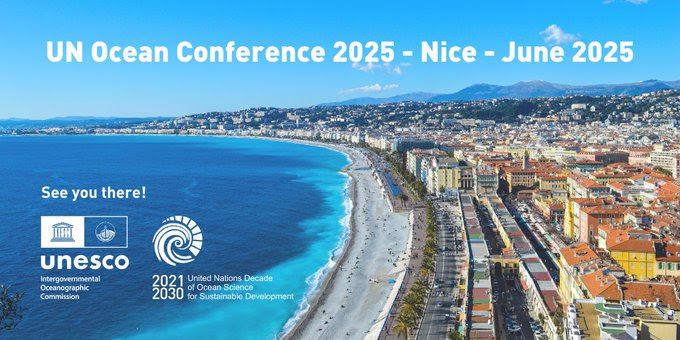
EDITO at the UN Ocean Conference 2025
Nice Congress Centre Port de Nice, Quai Amiral Infernet, Nice, FranceFrom 2–13 June 2025, the international ocean community gathered in Nice, France for the Third United Nations Ocean Conference (UNOC). EDITO was present throughout the event, participating in high-level sessions and demonstrations at the European Digital Ocean Pavilion, which was located in the Green Zone, ‘The Whale.’ Organised by the European…
-
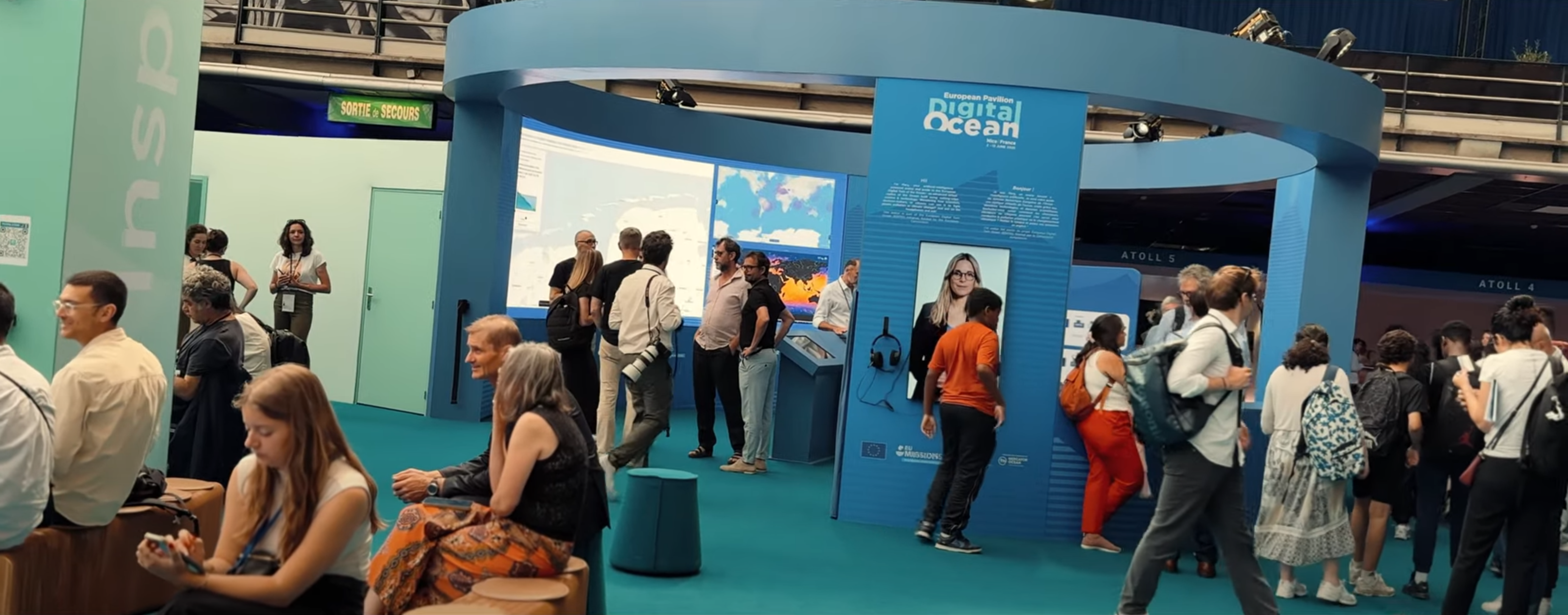
EDITO-Model Lab Hackathon: The next wave of ocean innovation
Nice Congress Centre Port de Nice, Quai Amiral Infernet, Nice, FranceThe EDITO-Model Lab Hackathon was officially launched at the 2025 UN Ocean Conference in Nice, marking a major step in building a community around the European Digital Twin Ocean. This four-month sprint is the largest among the various capacity-building actions of the EDITO-Model Lab project, bringing together dozens of intermediate users…
-
-
Discover EDITO at the European Research & Innovation Days
The SQUARE Mont des Arts, Brussels, BelgiumThe sixth edition of the Research & Innovation Days will take place on 16-17 September in Brussels (Belgium). Encompassing high-level conferences, engaging panels and networking opportunities, this landmark event aims to discuss how research and innovation drives Europe’s priorities and ambitions on sustainability and industrial leadership. It will bring together different…
-
-
Digital Ocean Forum 2025
Hotel nhow Brussels Bloom Rue Royale 250, 1210 Bruxelles, Brussels, BelgiumThe fourth edition of the Digital Ocean Forum took place on 27-28 November in Brussels (Belgium). At this landmark event, ocean scientists, modellers, researchers, innovators and policymakers came together once again to take stock of recent developments and explore new opportunities towards the co-construction of the European Digital Twin Ocean. Attendees…
-
-
EDITO Training for MonGOOS/EuroGOOS Network
Lisbon R. do Instituto Industrial 16, Lisbon, PortugalMembers of the MonGOOS/EuroGOOS Network are invited to an EDITO workshop on December 4 in Lisbon, Portugal. Attendees can expect a comprehensive introduction to the EDITO platform, the core infrastructure of the European Digital Twin Ocean. Learn more
-
-
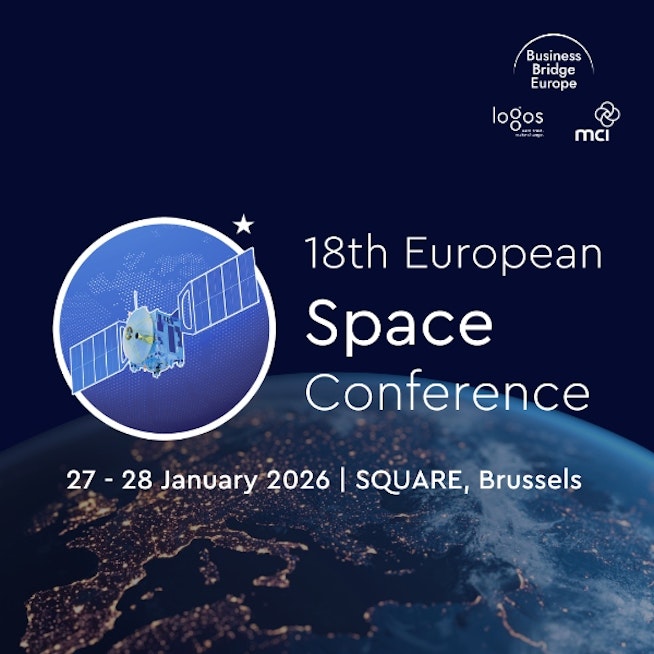
EDITO Demo at 18th European Space Conference
onlineBrussels, Belgium, 27-28 January 2026 Visitors will experience interactive demonstrations of the EDITO Platform, including advanced maritime and security tools such as pirate detection and Baltic safety monitoring. Register More information
-
Information Session: EDITO Call #1 for Financial Support to 3rd Parties (Applications)
onlineJoin us online on Thursday, January 29 at 11am CET for an information session on EDITO’s first call for Financial Support to 3rd Parties. The call will offer financial support to onboard existing applications onto the EDITO platform, enhancing the EDITO ecosystem contributing to the co-construction of the European Digital Twin…
-
-
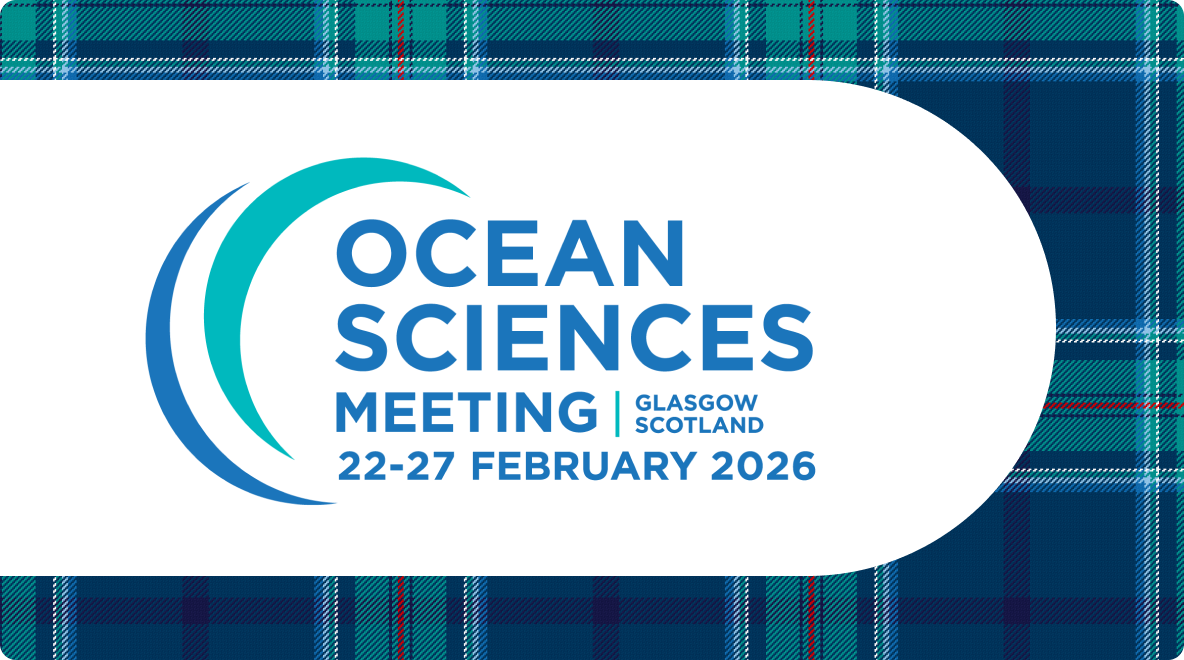
EDITO Presentation at Ocean Sciences Meeting
onlineGlasgow, Scotland, 22-27 February 2026 Members of the EDITO Community will present the latest developments this flagship conference bringing the global ocean sciences community together to share the latest breakthroughs, exchange ideas, and advance sustainable solutions for the ocean. EDITO will be presented in the special session “From Data Lake to…
-
-
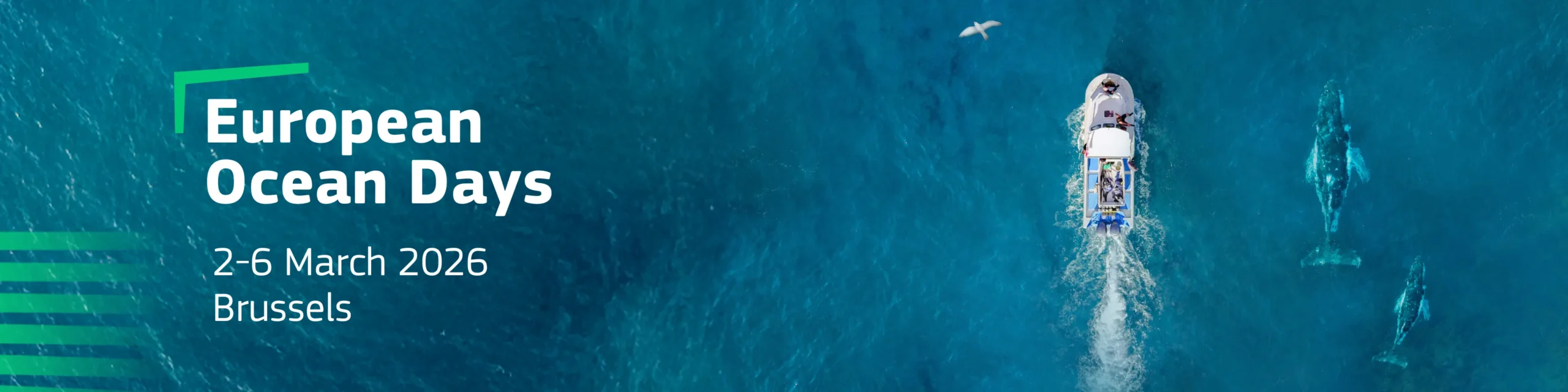
EDITO Exhibition at European Ocean Days
online2 - 6 March 2026 (Brussels, Belgium) Discover the EDITO platform in an interactive exhibition that will run for the whole week: “The European Digital Twin Ocean: a pillar to Restore our Ocean and Waters.” The ocean is facing several pressures like biodiversity loss, pollution, rapid warming, and unsustainable human activities.…
-
-
EGU General Assembly
onlineVienna, Austria, 3-8 May 2026 Visit the EDITO booth at this landmark annual event, which brings together more than 20,000 researchers across the spectrum of subjects to share and debate cutting edge scientific discoveries. More information
-
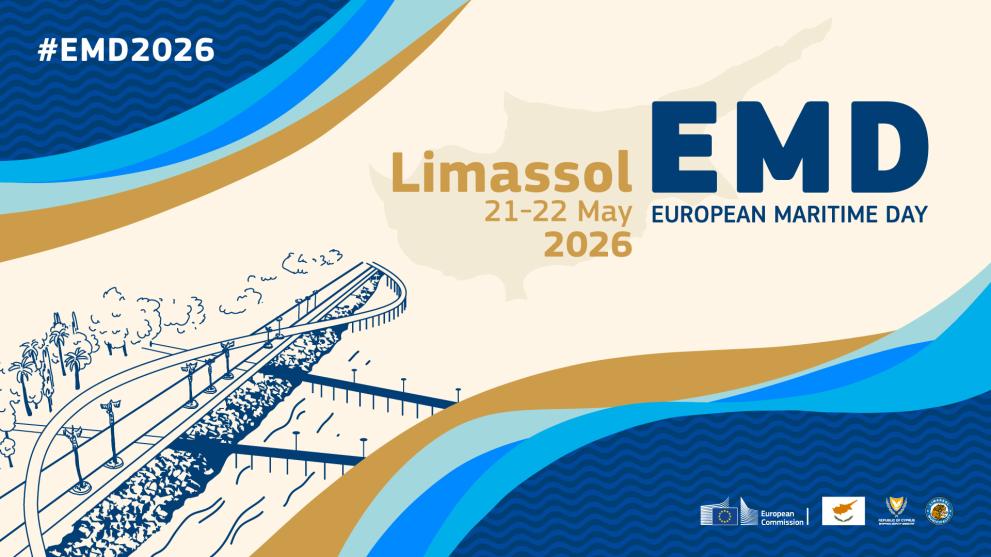
European Maritime Day 2026
onlineLimassol, Cyprus, 21-22 May 2026 Discover the EDITO booth at this celebration of “maritime Europe” and our shared future, featuring high level sessions, exhibitions and workshops. More information
-
-
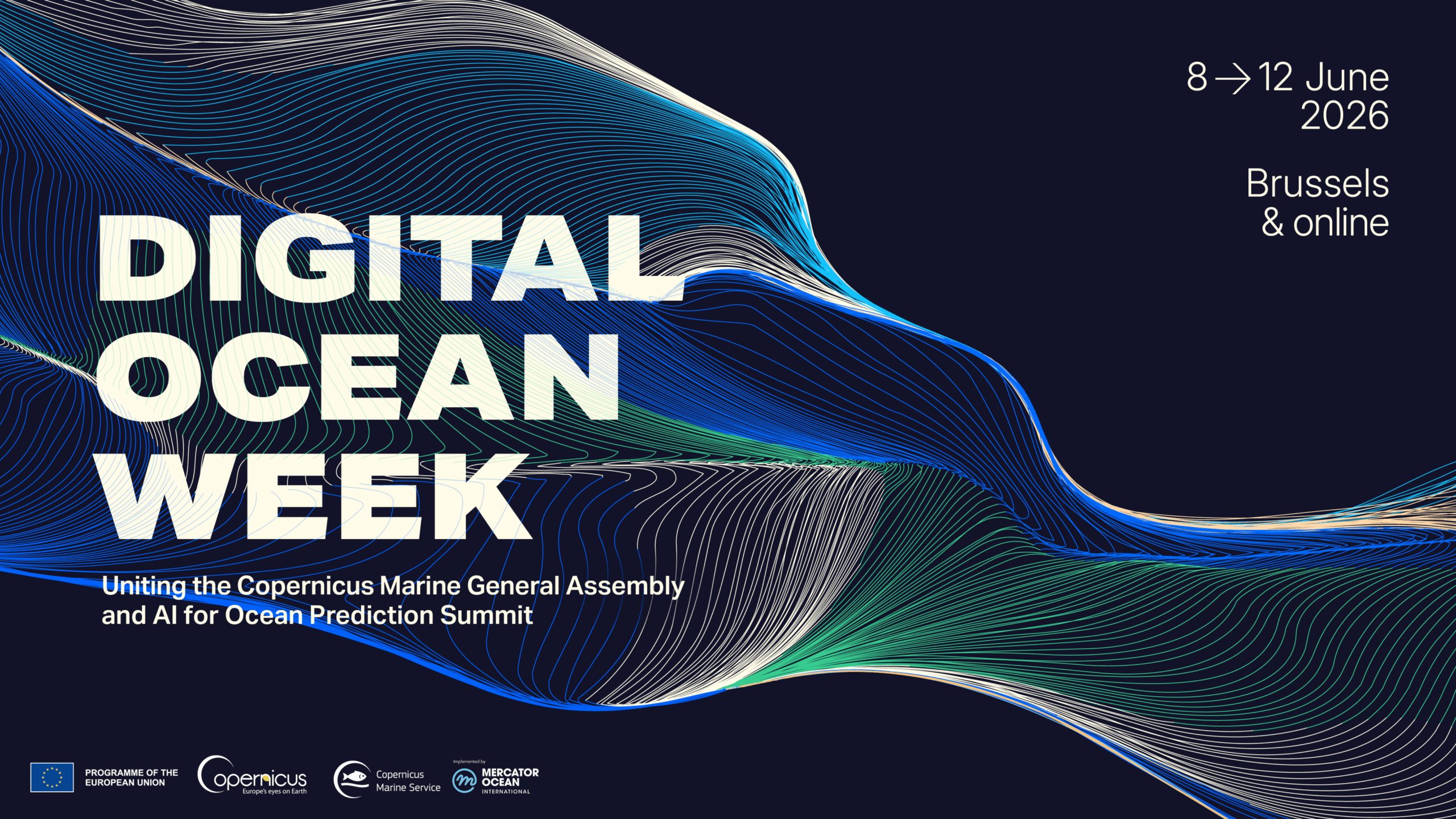
Digital Ocean Week
onlineBrussels, Belgium, 8-12 June 2026 At Digital Ocean Week, scientists, policymakers, technology experts and users of marine data will gather to explore the latest achievements of the Copernicus Marine Service along with the growing role of Artificial Intelligence and the European Digital Twin Ocean. More information