Newsletter VII – March 2026
EDITO serves as the public infrastructure of the European Digital Twin Ocean, funded by the European Union. Our mission is to make ocean knowledge available to all, empowering decision-makers, researchers, innovators and citizens to access a wealth of ocean insights and tools, grow our shared knowledge, and act for the future. …
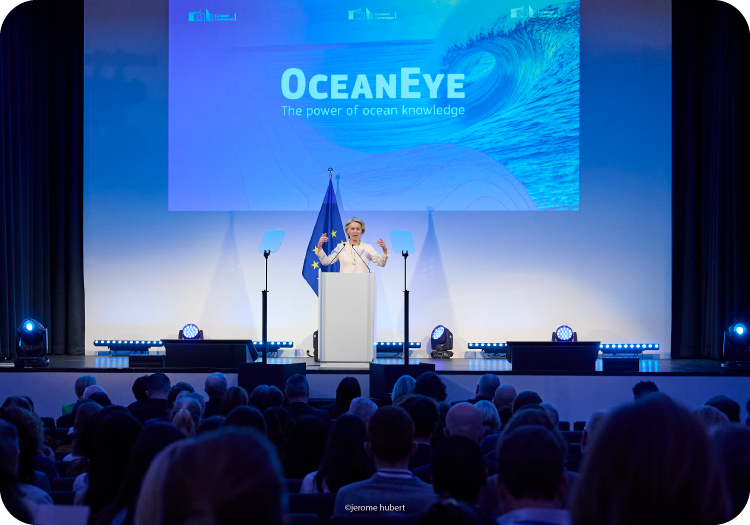
Ocean observation is central to European ocean health and security: understanding the role of the European Digital Twin Ocean in the European Commission’s OceanEye initiative
Ocean observation is central to ocean health and security: understanding the role of the European Digital Twin Ocean in the European Commission’s OceanEye initiative President of the European Commission Ursula von der Leyen opened European Ocean Days 2026 with a resounding and timely message: ocean observation is strategic infrastructure for Europe…
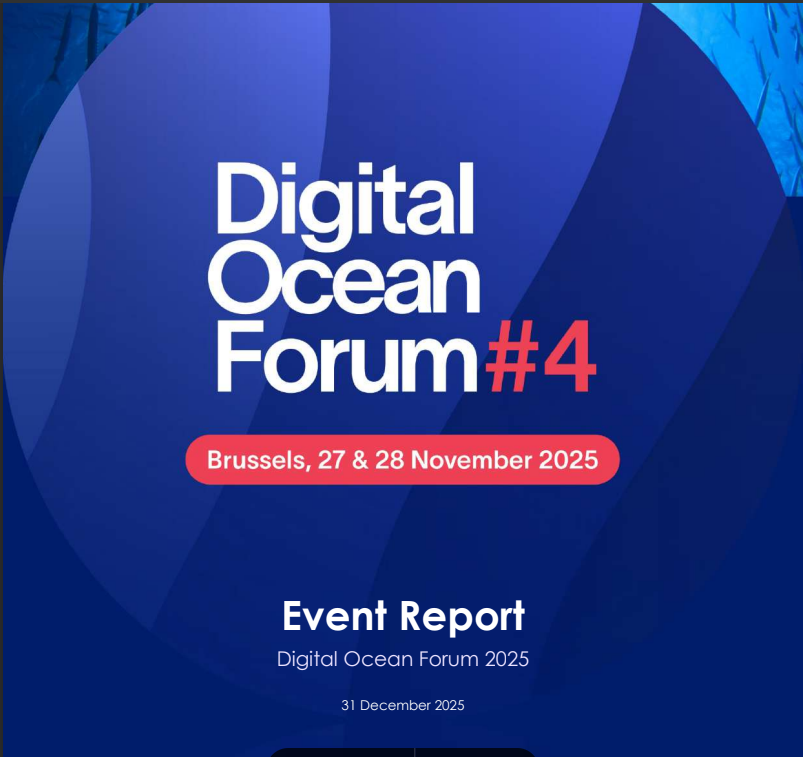
Full report now available: Digital Ocean Forum 2025
Full report now available: Digital Ocean Form 2025 “The 2025 edition of the Digital Ocean Forum had a strong focus on co-creation, community building, and the transformative potential of the European Digital Twin Ocean for science, policy, innovation, and global collaboration.” The Digital Ocean Forum 2025 marked another landmark opportunity for…
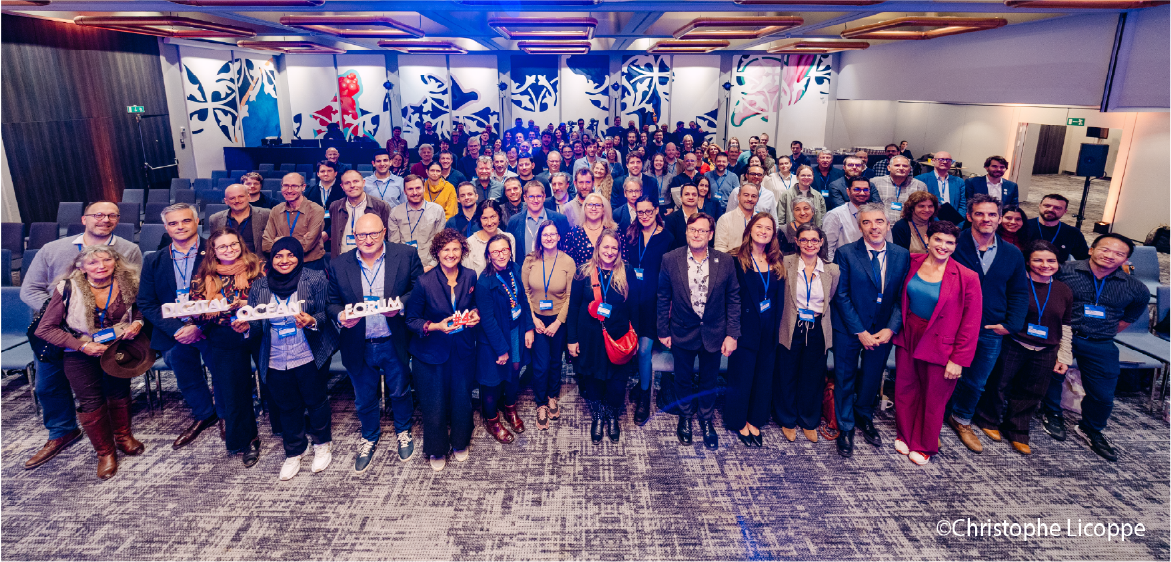
Digital Ocean Forum 2025: Where technology meets community
Digital Ocean Forum 2025: Where technology meets community https://www.youtube.com/watch?v=nAFu8VTTS9Q “It’s a multidisciplinary infrastructure, where a lot of things are possible.” The Digital Ocean Forum 2025 revealed the impressive technology and dedicated community powering the European Digital Twin Ocean. Hear from some EDITO Community members about what’s…
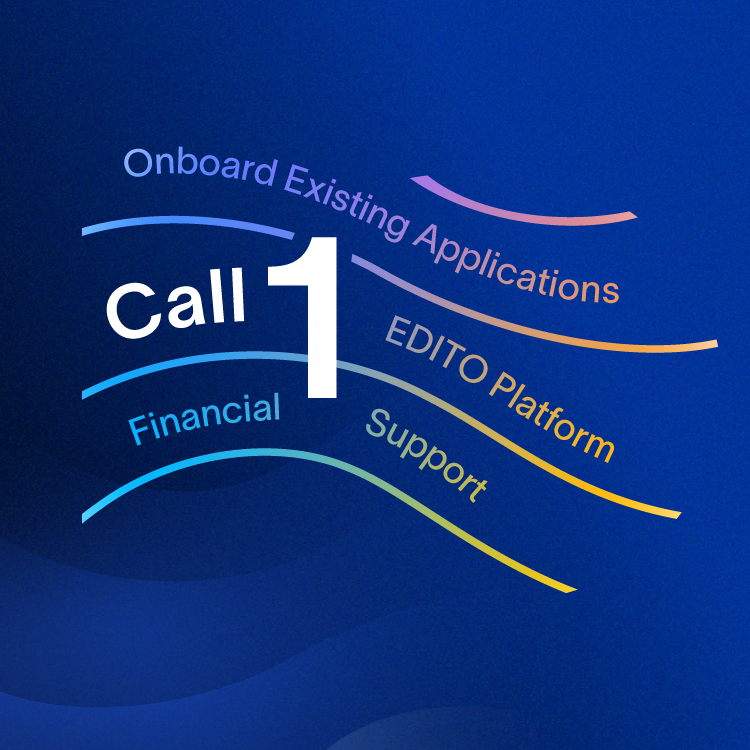
EDITO announces Call #1: Apply for funding today!
EDITO announces Call #1: Apply for funding today! In our shared mission to grow the European Digital Twin Ocean platform and community, EDITO will offer financial support to selected European, national, regional or local projects to onboard their existing (final or close to final) applications, models, or datasets onto the EDITO…
EDITO on CORDIScovery Podcast episode: “Smarter decisions for our oceans and soil”
EDITO on CORDIScovery Podcast episode: “Smarter decisions for our oceans and soil” https://www.youtube.com/watch?v=PqL3gtaOOUg&t=2s “You can see past conditions of the ocean, but also future conditions.” EDITO appeared on a special episode of the European Commission’s CORDIScovery Podcast, recorded during the EU Research and Innovation Data 2025.…
Digital Ocean Forum 2025
Digital Ocean Forum 2025 The fourth edition of the Digital Ocean Forum took place on 27-28 November in Brussels (Belgium). At this landmark event, ocean scientists, modellers, researchers, innovators and policymakers came together once again to take stock of recent developments and explore new opportunities towards the co-construction of the European Digital Twin Ocean. Attendees were…

Announcing the launch of the EDITO Projects Forum: a collaborative space for connecting and amplifying the EDITO Community
Announcing the launch of the EDITO Projects Forum: a collaborative space for connecting and amplifying the EDITO Community At the Digital Ocean Forum 2025, the launch of the EDITO Projects Forum was announced. The Forum will be an inclusive, collaborative space established to connect and support all European, national, and local…

The co-creation of the European Digital Twin Ocean continues with the next phase of the EDITO project
The co-creation of the European Digital Twin Ocean continues with the next phase of the EDITO project What if we could understand the ocean like never before, and predict the impact of our actions? At the 2022 World Ocean Summit, the European Commission communicated its ambition to develop the European Digital…
Applying to Call HORIZON-MISS-2025-03-OCEAN-08? Learn about EDITO and its architecture
HORIZON-MISS-2025-03-OCEAN-08: How will EDITO support successful proposals? As new calls unfold to support the co-creation of the European Digital Twin Ocean, find out how you can harness EDITO -the public infrastructure of the EU DTO- to drive your work forward. If you are considering applying to the Call “HORIZON-MISS-2025-03-OCEAN-08: EU Digital Twin Ocean: Contribution…